
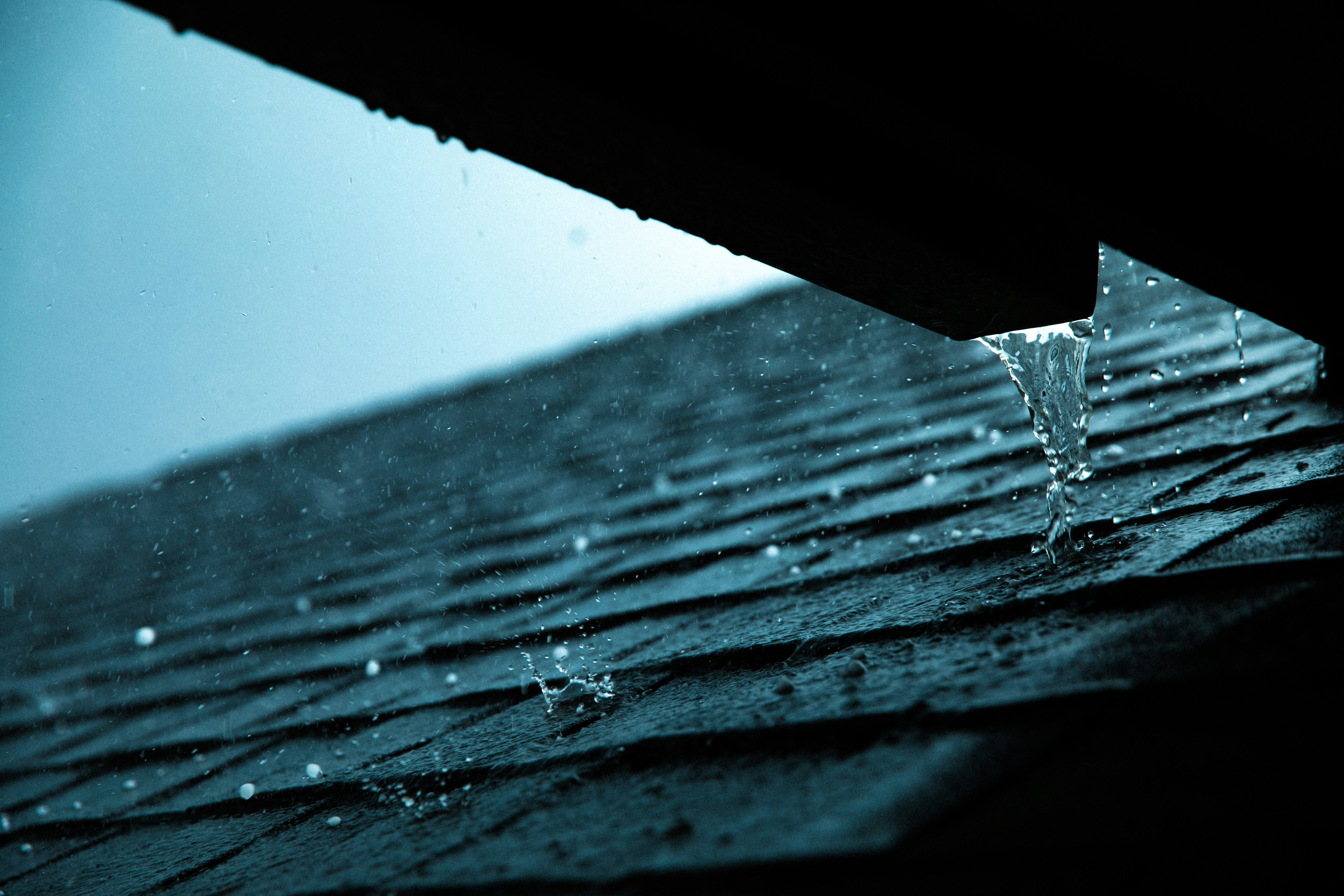
Flash thunderstorms along Colorado’s Front Range can dump a month’s worth of water in minutes. On low-slope commercial roofs, that surge can overwhelm undersized drains, create ponding, and fast-track leaks and structural stress. AC INC. Roofing (Advanced Consulting, Inc.) helps Denver-area property managers and owners upgrade roof drainage so buildings shed water quickly and reliably—rain, hail, snowmelt, and freeze-thaw included.
We’re a licensed and insured contractor based at 6145 Broadway, Suite 25, Denver, CO 80216, serving the Denver metro, the Front Range, and Cheyenne, WY. Our HAAG-certified inspectors provide free roof inspections, and our team is rated 5.0 stars on Google for integrity, responsiveness, and quality.
Why drainage matters in the Front Range
- Flash rains: Cloudbursts overwhelm marginal drains and gutters, causing backflow at penetrations.
- Hail + debris: Hail shreds leaves and granules that clog strainers, scuppers, and downspouts.
- Freeze–thaw: Trapped water expands as ice, opening seams and damaging parapets and sealants.
- Snowmelt surges: Warm chinooks and spring thaws release water rapidly, just like a storm cell.
- Code & warranty: Standing water can void membrane warranties and may violate IBC drainage requirements when parapets are present without proper overflow.
Signs your roof needs a drainage upgrade
- Ponding water that remains >48 hours after a storm
- Algae “tea stains,” silt lines, or blistering in ponding areas
- Overflowing scuppers/gutters or watermarks under conductor heads
- Clogged or undersized drain strainers; frequent callouts to clear drains
- Interior leaks at roof drains, parapet corners, or RTUs after heavy bursts
- Ice dams at scuppers/downspouts; winter icicles on parapet faces
- Sagging insulation or soft spots around drains (possible moisture in system)
- Windblown debris collecting in low corners without a clear path to drains
- Repeated warranty punch-list notes about ponding or slope-to-drain
Proven drainage upgrades for commercial roofs
1) Tapered insulation and slope-to-drain design
Create positive slope (commonly 1/8″–1/4″ per foot) using tapered insulation panels and saddles/crickets behind curbs and parapets. This directs water to drains, reduces ponding, and improves long-term membrane performance on TPO, EPDM, and Modified Bitumen roofs.
2) Add or resize primary roof drains
Increase the number or diameter of interior drains to match design rainfall rates. Retrofit drains with clamping rings and compression seals integrate cleanly with existing TPO/EPDM/Mod Bit membranes. Use high-capacity domes/strainers to resist hail and debris.
3) Install overflow (secondary) drains or relief scuppers
When parapets are present, the International Building Code requires a secondary drainage path set above the primary line. Relief scuppers or secondary drains prevent dangerous ponding if primary drains clog—protecting the membrane and structure during flash events.
4) Improve scuppers, conductor heads, gutters, and downspouts
- Enlarge or add scuppers; line scuppers with coated metal or compatible single-ply for durability.
- Use properly sized conductor heads (collector boxes) to de-airflow and manage surges.
- Upsize gutters/downspouts; add debris screens and cleanouts where maintenance access is limited.
- Verify terminations and expansion joints at edge metals to prevent backflow at the roof edge.
5) Drain sumps and localized re-decking
Create drain sumps so water naturally finds the inlet. In areas with long-term ponding or deck deflection, localized re-decking can restore slope continuity and extend service life.
6) Freeze protection for Denver winters
Strategically add heat-trace cables in scuppers, conductor heads, and downspouts to keep pathways open. Pair with weatherproof controllers and dedicated circuits. Correct sizing still comes first; heat-trace is a supplement, not a bandage.
7) Fluid-applied coatings and reinforcements
In select assemblies, fluid-applied coatings can smooth micro-ponding areas and reinforce around drains, scuppers, and seams. We specify coating chemistries rated for ponding where applicable and tie them into the broader membrane system.
8) Detail upgrades at penetrations and curbs
Add crickets behind RTUs, skylights, and parapet returns. Upgrade pitch pans, boots, and sealants so water has a clear, durable path around obstructions to the nearest drain.
Materials and warranty alignment
AC INC. Roofing installs and services TPO, EPDM, Modified Bitumen, and fluid-applied coatings on commercial roofs, as well as metal and tile systems where applicable. We follow manufacturer details to preserve system warranties and long-term performance. For steep-slope assets in your portfolio, we’re an Atlas Pro+ Platinum Certified contractor (up to 50-year warranties available) and a GAF Certified contractor. Our Directorii certification adds a customer guarantee up to $20,000, and our Fortified Roofing Solutions certification underscores our focus on resilience in high-wind and hail-prone zones.
Our assessment-to-upgrade process
1) Free HAAG-certified inspection: Document existing drainage, measure slopes, and note code-related gaps.
2) Moisture/condition survey: Photo report; when appropriate, infrared and/or core data to assess wet insulation.
3) Hydrodynamic check: Map drain locations, run water-flow tests, and evaluate estimated design rainfall capacity.
4) Recommendations: Prioritized, budget-phased plan (e.g., immediate clog mitigation, short-term retrofits, long-term slope redesign).
5) Execution: Repairs or replacements using TPO/EPDM/Mod Bit, tapered insulation packages, scupper/drain retrofits, and compatible coatings.
6) Documentation & support: Thorough photo documentation; storm-damage and insurance-claims support when applicable.
Maintenance that keeps drains moving
- Clear drains and scuppers before “monsoon season” and each fall leaf drop.
- After hail, check strainers, downspouts, and conductor heads for impact debris.
- Verify heat-trace operation each fall; inspect GFCIs and controllers.
- Log ponding areas and track changes—shifting ponding can indicate deck movement.
- Schedule annual or semiannual roof inspections; our HAAG-certified inspectors provide them at no cost.
Frequently asked questions
- Can you add new drains to an existing single-ply roof? Yes—retrofit drains and new plumbing tie-ins can be integrated with TPO, EPDM, or Mod Bit using manufacturer-approved details.
- Will drainage work affect my warranty? We align details with manufacturer requirements and provide documentation to help maintain coverage.
- Do I need an engineer? If deck modifications, added loads, or plumbing reroutes are involved, we coordinate with your design team and local code officials as needed.
Serving Denver, the Front Range, and Cheyenne
From downtown Denver to the northern and southern Front Range and up to Cheyenne, WY, AC INC. Roofing delivers commercial drainage solutions built for hail, flash rains, and heavy snowmelt—done right, documented thoroughly, and backed by top-tier credentials.
Ready to stop ponding and protect your property? Contact Us today.