
Why Delaying a Roof Replacement Until Spring Can Cost More in Colorado’s Winter Climate
Colorado’s Front Range winters bring freeze-thaw cycles, snow loads, high winds, and sudden temperature swings that punish roofing systems. If your roof is already nearing the end of its life—or suffered recent storm damage—waiting until spring can turn a manageable project into an expensive headache. Here’s why acting now often saves money, time, and stress.
What Your Roof Endures in a Colorado Winter
- Repeated freeze-thaw cycles: Daytime melt and overnight refreeze drive water into small cracks and under shingles, expanding gaps and loosening fasteners.
- Ice dams: Snowmelt that refreezes at the eaves forces water backwards under shingles, leading to leaks and saturated insulation.
- Wind events: Chinook winds and winter storms can lift edges, break seals, and dislodge shingles or flashing.
- Snow load and drifting: Added weight stresses decking and penetrations, revealing hidden weaknesses.
The True Cost of Waiting Until Spring
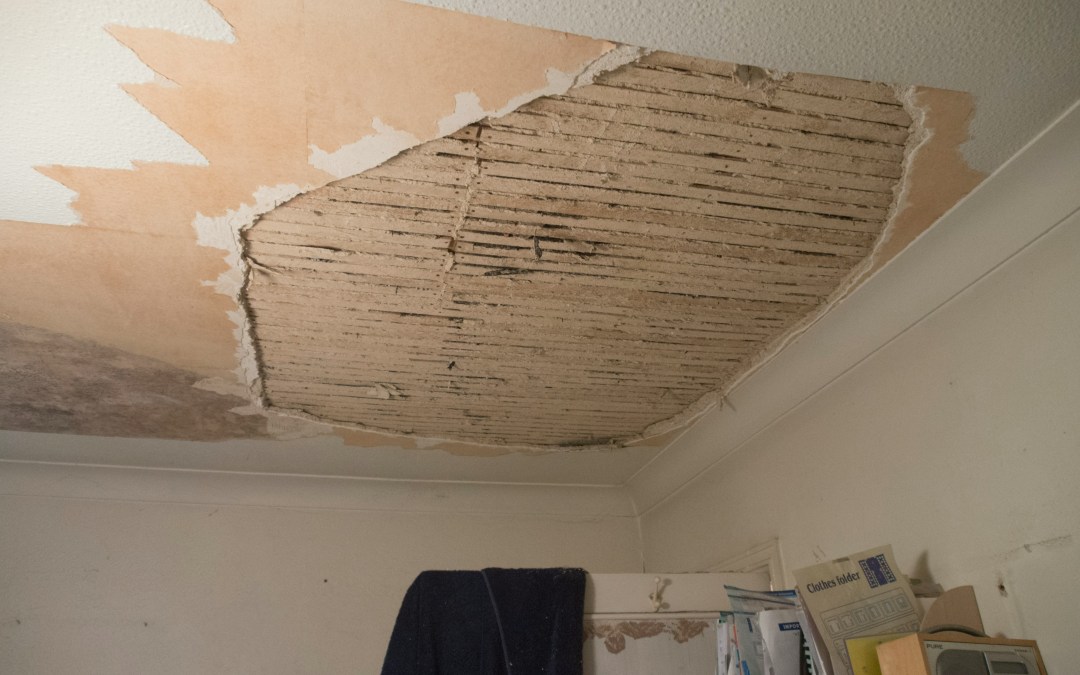
- Escalating moisture damage: Small leaks become wet insulation, stained ceilings, and compromised decking—multiplying repair costs.
- Interior restoration expenses: Delays increase the likelihood of drywall, flooring, and framing repairs, as well as potential mold remediation.
- Energy loss over the season: Wet insulation and air leaks raise heating bills all winter.
- Emergency calls and temporary fixes: Interim patches, repeat visits, and tarps (when needed) add up—without solving the underlying problem.
- Spring demand surge: Colorado’s hail season and pent‑up winter projects create long wait times and tighter schedules. High demand can also affect pricing and material availability.
- Material and code changes: Manufacturers and municipalities periodically update products and building codes; postponing may trigger additional scope or upgrade requirements later.
- Insurance timing risks: Many policies have time limits for filing or completing storm-related work. Delaying can complicate claims or affect recoverable depreciation. AC INC. Roofing provides storm-damage documentation and insurance claims support to help keep your claim on track.
Can You Replace a Roof in Winter? Yes—With the Right Team
Replacing or repairing a roof in cold weather is feasible when crews follow manufacturer guidelines and plan around weather windows. Considerations include:
– Scheduling on clear, safe days and monitoring surface temperatures
– Proper shingle handling and storage to maintain flexibility
– Hand-sealing or approved cold-weather adhesive where required
– Thorough ventilation and underlayment checks to reduce ice-dam risk
AC INC. Roofing (Advanced Consulting, Inc.) performs residential and commercial roofing year-round across the Denver metro area, the Front Range, and Cheyenne, Wyoming. Our free roof inspections are performed by HAAG‑certified inspectors, and we build cold‑weather plans that protect your property and warranty coverage.
Why Homeowners and Property Managers Choose AC INC. Roofing
- Elite credentials and warranties:
- Master HAAG Certification (Colorado’s first to reach Master level)
- Atlas Pro+ Platinum Certified contractor (Atlas shingle systems; warranties up to 50 years)
- GAF Certified contractor (System Plus warranties available)
- Directorii‑certified (backed by up to $20,000 customer guarantee)
- Fortified Roofing Solutions certified (solutions designed to withstand 130 mph winds, EF‑2 tornadoes, and 2″ hail)
- Materials for Colorado performance: impact‑resistant asphalt shingles, metal and tile systems, and commercial options including TPO, EPDM, Modified Bitumen, and fluid‑applied coatings.
- Storm damage expertise and insurance advocacy: We document damage thoroughly, assist with claims, and align scope with code requirements.
- Licensed, insured, and 5‑star rated on Google for reliability and service.
Visit us at 6145 Broadway, Suite 25, Denver, CO 80216.
Not Ready for a Full Replacement? Consider These Options
- Targeted repairs: Address isolated leaks, flashing, or ventilation issues before they spread.
- Roof rejuvenation: Restore shingle flexibility and extend service life when replacement isn’t immediately required.
- Protective coatings for low-slope roofs: Fluid‑applied systems can add weatherability and delay more invasive work.
Our team will provide a prioritized plan so you can make a confident, cost‑effective decision this season.
What to Expect From a Winter Roof Inspection
- HAAG‑certified assessment of shingles, flashing, penetrations, and decking
- Photo and video documentation suitable for insurance carriers
- Evaluation of ventilation and ice‑dam risk factors
- Written estimate with options (repair, rejuvenation, or replacement), materials, and timeline
- Warranty guidance for the selected system
FAQ: Winter Roofing in the Front Range
- Will my shingles seal in cold weather? Yes—when manufacturer instructions are followed, including hand‑sealing where needed and verifying surface temperatures.
- Are winter installations covered by warranty? Manufacturer and workmanship warranties apply when installation meets specifications. As an Atlas Pro+ Platinum and GAF Certified contractor, we offer robust system warranties.
- What if snow is on my roof? We schedule around storms, clear work areas as needed, and protect landscaping and walkways.
Bottom Line
If your roof is compromised, winter magnifies problems. Addressing issues now can prevent interior damage, reduce energy loss, and avoid the spring rush—often lowering your total cost.
Ready for a no‑cost, HAAG‑certified inspection and a winter‑smart plan for your home or building? Contact Us today.