
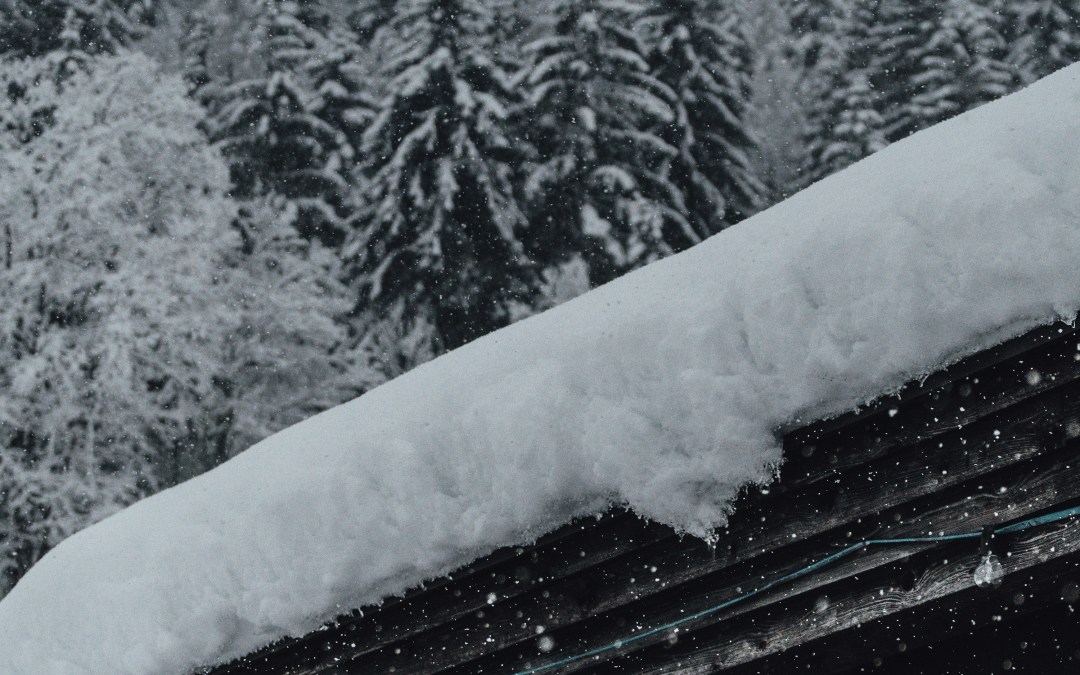
In Denver and across the Front Range, commercial roofs face a unique one-two punch each winter: heavy snow loads and relentless freeze-thaw cycles. Together, they amplify wear, open leaks, and shorten roof life—especially on low-slope systems common to offices, warehouses, retail centers, and multifamily buildings. This guide explains why the risk is higher here, what to watch for, and how AC INC. Roofing helps you stay ahead of costly damage.
Why this is a “double threat”
- Snow load adds significant, sometimes uneven, weight to your roof. Drifts around parapets, RTUs, and elevation changes can far exceed average accumulation.
- Freeze-thaw cycles create daily expansion and contraction. Meltwater works into tiny gaps; overnight refreezing pries those gaps wider, stressing seams, flashings, fasteners, and coatings.
The result: deflection and ponding, followed by cracking, seam separation, and leaks—often worst where loads and thermal movement concentrate (corners, penetrations, and perimeters).
Front Range factors that magnify risk
- Wide temperature swings (Chinook winds) drive multiple melt-refreeze cycles per week.
- High winds move snow, creating deep drifts on multi-level roofs and around rooftop equipment.
- Intense sun at altitude can accelerate membrane aging and afternoon melt, followed by rapid evening refreeze.
- Hail from spring storms can pre-weaken membranes and flashings, making winter damage more likely.
How snow load stresses commercial roofs
- Structural deflection increases ponding on low-slope roofs, compounding live loads and prolonging standing water.
- Snow and ice block drains and scuppers, trapping water that infiltrates at seams and penetrations.
- Drifts around parapets and curbs create concentrated loads that strain flashings and membrane transitions.
- Sliding ice on sloped metal roofs can damage gutters and lower roof sections.
If you suspect overloading, restrict access and consult a structural engineer immediately. Then schedule a roofing inspection to assess the envelope.
How freeze-thaw accelerates damage
- Seams and laps: Water enters microscopic gaps; refreezing forces them wider, leading to seam pop, bridging, or adhesive failure.
- Flashings and perimeters: Thermal cycling degrades sealants and stresses corners, coping joints, and terminations.
- Substrates: Wet insulation expands and contracts, telegraphing blisters and splits through the membrane.
- Masonry and concrete: Parapet caps and equipment curbs can crack or spall, reopening leak paths.
System-specific vulnerabilities
- TPO: Heat-welded seams are strong, but corner details and rooftop transitions see high movement; UV and thermal cycling can embrittle aged membranes.
- EPDM: Tape/adhesive seams and terminations are susceptible to cold-weather shrinkage and peel, especially at penetrations.
- Modified Bitumen: Repeated cycling can degrade lap adhesion; granule loss and blisters invite water entry.
- Metal: Expansion/contraction can loosen fasteners and open panel laps; ice slides may deform gutters and downspouts.
Warning signs facility managers should watch
- Ponding that persists more than 48 hours after melt
- Sagging areas or unusual deflection
- Ice forming at drains, scuppers, and downspout outlets
- Open seams, popped fasteners, wrinkled or bridged flashings
- Blisters, splits, or surface cracks in membranes
- Interior water stains, wet ceiling tiles, or musty odors
- Loose or rattling coping metal during wind events
Preventive steps before and during winter
- Schedule a professional inspection
- AC INC. Roofing provides free roof inspections by HAAG-certified inspectors. We document conditions, photograph critical details, and recommend prioritized maintenance for snow and freeze-thaw resilience.
- Clear and test drainage
- Remove debris from gutters, scuppers, and strainers; test flow through interior and exterior drains. Ensure downspouts discharge away from foundations.
- Shore up the details
- Reinforce high-stress areas (corners, curbs, penetrations); replace aged sealants; add walkway pads at service paths to reduce damage when surfaces are icy.
- Plan safe snow management
- If roof snow must be reduced, use trained crews that protect membranes (no chisels, leave a protective snow layer, use plastic tools, and move snow evenly to avoid creating point loads). Avoid blocking drains with shoveled piles.
- Monitor after each storm
- Recheck drains and suspect areas after heavy snowfall or wind-driven drift. Document changes and call for prompt repairs if conditions worsen.
Strategic repairs and life-extension options
- Targeted repairs: Seams, flashings, curbs, pipe boots, coping, and pitch pockets.
- Fluid-applied roof coatings: In the right conditions, coatings can help restore watertightness, improve reflectivity, and extend service life on aging membranes.
- Planned replacement: When membranes are at end-of-life or insulation is saturated, AC INC. Roofing installs TPO, EPDM, Modified Bitumen, metal, and tile systems for commercial applications.
Not sure which path fits your building? Our HAAG-certified team will evaluate the roof’s condition, assemble documentation, and present options aligned to budget, timeline, and risk tolerance.
Insurance and storm-damage documentation
Winter leaks and wind-driven openings often qualify as insurable damage. AC INC. Roofing specializes in storm damage restoration and insurance claim support. We provide thorough photo documentation, clear scope descriptions, and responsive communication to help property managers and owners move claims forward with confidence.
Why AC INC. Roofing
- Licensed and insured contractor based at 6145 Broadway, Suite 25, Denver, CO 80216
- Serving the Denver metro area, the Front Range, and Cheyenne, Wyoming
- 5.0-star rated on Google with excellent reviews
- Master HAAG Certification (Colorado’s first company to reach Master level)
- Atlas Pro+ Platinum and GAF Certified contractor credentials
- Directorii-certified (backed by up to $20,000 customer guarantee)
- Fortified Roofing Solutions certified for severe-weather resilience
- Commercial expertise across TPO, EPDM, Modified Bitumen, metal, tile, and fluid-applied coatings
- Core values: integrity, reliability, exceptional service, and strong vendor partnerships
Winterization checklist for facility teams
- Pre-season HAAG-certified inspection and documented condition report
- Clean drains, gutters, scuppers; verify strainers and test flow
- Mark drains and roof hazards for safe navigation when snow-covered
- Confirm safe access points and walkway pads near RTUs and service paths
- Review snow response plan (who to call, load thresholds set by your engineer)
- Stock leak-response kits and update emergency contacts
- Schedule mid-winter and spring follow-up inspections
Protect your building’s roof—and your bottom line—by getting ahead of the Front Range’s snow load and freeze-thaw hazards. AC INC. Roofing is ready to help with inspections, maintenance, repairs, coatings, and full replacements when needed.