
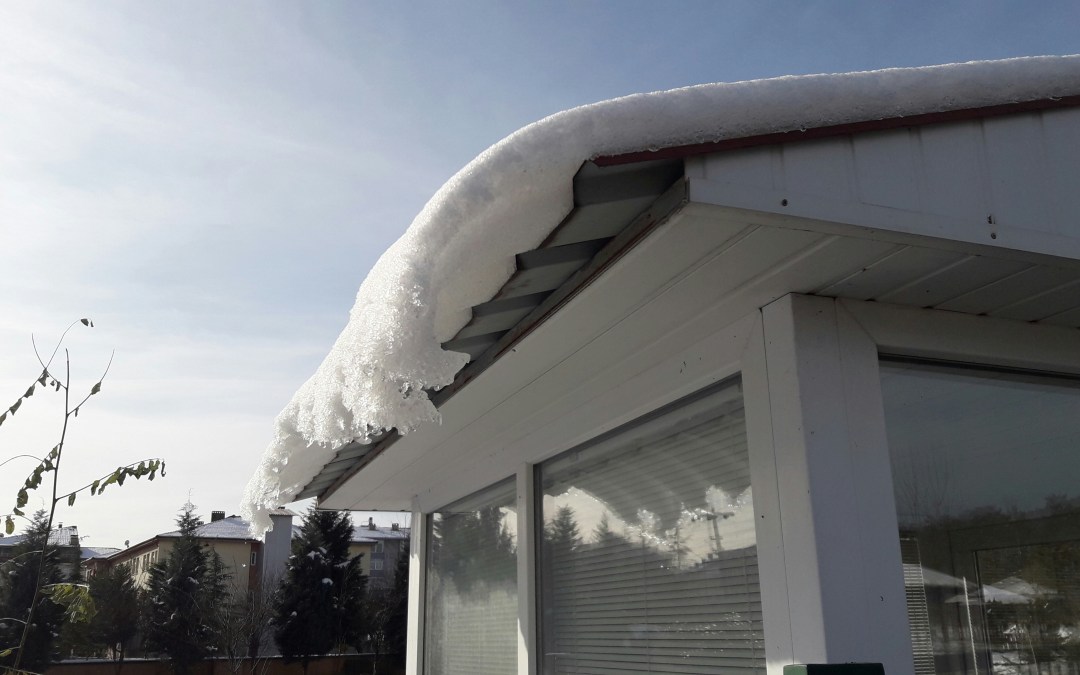
Colorado’s Front Range winters bring light, fluffy snow one day and heavy, wet spring storms the next. That variety can create ice dams, blocked gutters, and significant snow loads—especially on low-slope and complex roofs. If you’re wondering when it’s safe to DIY snow removal and when to call a professional, this guide breaks it down for Denver-area homeowners and property managers.
First, a quick safety reality check
- Never climb onto a snowy or icy roof. Most DIY tasks should be done from the ground with a long-handled roof rake.
- If you must use a ladder, secure it, use stabilizers, wear traction cleats, and have a spotter. Stay clear of power lines.
- Avoid metal shovels, picks, and scraping tools that can damage shingles, membranes, or tile.
- Don’t use rock salt on your roof; it can corrode metal and harm landscaping. If you need to melt ice, use calcium chloride carefully (in a sock or tube to control flow) and protect plants below.
DIY snow removal: What you can do safely
- Use a non-abrasive, telescoping roof rake from the ground to pull down the first 3–4 feet of snow along the eaves. This helps reduce ice dam risk.
- Work in small sections. Pull snow down the slope, never across it.
- Leave a thin layer of snow to protect the roofing surface from direct contact with the rake.
- Keep gutters and downspouts clear at the ground level so meltwater can drain.
- Mark and keep clear of skylights, roof vents, and gas appliance exhausts.
What not to do
- Don’t chip or hammer ice—this cracks shingles, tile, or membranes and can void warranties.
- Don’t pressure wash ice or snow.
- Don’t attempt DIY on steep, multi-story, or complex roofs—or anytime you can’t reach safely from the ground.
How much snow is too much? A simple guide
Actual roof capacity depends on design, materials, and local code. When in doubt, err on the side of caution and call a pro. Rough weight estimates:
– Light, dry snow: about 3–5 pounds per square foot (psf) per 12 inches.
– Heavy, wet snow: about 12–20 psf per 12 inches.
– Solid ice: about 5 psf per inch.
Watch for warning signs like ceiling cracks, doors sticking, new interior leaks, or visible roof sagging—these are red flags to leave the area and call a professional immediately.
Ice dams on the Front Range: Prevention basics
Ice dams form when heat escapes into the attic, melting roof snow that refreezes at the cold eaves. Helpful steps:
– Improve attic air sealing and insulation (work with a qualified insulation contractor).
– Ensure balanced attic ventilation and clear intake/exhaust pathways.
– Keep gutters functioning so meltwater drains away from the roof edge.
AC INC. Roofing can inspect the roofing system for issues that worsen ice dams—like inadequate underlayment at eaves, aging shingles, poor flashing, or clogged/undersized gutters—and recommend roofing and gutter solutions.
Flat and low-slope roofs (TPO, EPDM, Modified Bitumen)
- Prioritize drainage. Keep scuppers, internal drains, and gutters open.
- Avoid chipping or dragging tools that can damage membranes or seams.
- If you see ponding water under a snow layer, or suspect frozen drains, call a roofing professional. Water plus freeze-thaw cycles can separate seams and flashing.
AC INC. Roofing installs and services commercial and residential low-slope systems, including TPO, EPDM, and Modified Bitumen, and can assess storm- or freeze-related damage.
Metal, asphalt shingle, and tile roofs: Special notes
- Metal: Be aware of sudden snow slides. Keep people and property clear below eaves after heavy storms.
- Asphalt shingles: Use a plastic or foam-blade rake; avoid scraping granules. Consider impact-resistant shingles for better durability in hail and wind.
- Tile: Do not walk on tile in snowy/icy conditions. DIY from the ground only, and avoid contact with the tiles.
AC INC. Roofing offers premium materials—impact-resistant asphalt shingles, metal, and tile systems—built for Colorado’s severe weather.
DIY or call a pro? A quick decision guide
DIY from the ground is reasonable when:
– You can safely reach the first 3–4 feet of snow at the eaves with a roof rake.
– Snow is light and recent, and you’re not seeing leaks or sagging.
– The roof is simple and single-story.
Call a roofing professional when:
– You see interior leaks, ceiling stains, or structural concerns.
– Ice dams persist or there’s more than one compacted layer of old snow and ice.
– You have a steep, multi-story, or complex roof, skylights, solar, or fragile materials (tile).
– It’s a low-slope commercial roof with ponding, blocked drains, or visible seam issues.
Note: If you need snow physically removed from your roof and cannot do so safely from the ground, hire an insured specialty snow-removal contractor. Then schedule a roofing inspection to check for damage.
How AC INC. Roofing helps after heavy snow
Based in Denver (6145 Broadway, Suite 25, Denver, CO 80216), AC INC. Roofing is a licensed and insured contractor serving the Denver metro, the Front Range, and Cheyenne, Wyoming. We’re rated 5.0 stars on Google and bring deep credentials to every project:
– Master HAAG Certification (first in Colorado to reach Master level) for forensic-quality inspections
– Atlas Pro+ Platinum Certified contractor (eligible for warranties up to 50 years)
– GAF Certified contractor (System Plus warranties available)
– Directorii-certified, backed by up to a $20,000 customer guarantee
– Fortified Roofing Solutions certified (systems designed to withstand 130 mph winds, EF-2 tornadoes, and 2″ hail)
What we can do for you
- Free roof inspections by HAAG-certified inspectors
- Thorough documentation of storm-related damage and insurance claims support
- Targeted repairs to shingles, flashing, and low-slope membranes
- Full replacements using premium systems: asphalt (including impact-resistant), metal, tile, TPO, EPDM, Modified Bitumen, and fluid-applied coatings
- Gutter and siding installation to improve roof-edge performance
- Roof rejuvenation options for aging asphalt shingles
Maintenance tips for the rest of winter
- After each storm, rake the lower eaves from the ground to reduce ice-dam risk.
- Keep ground-level downspouts and leaders clear and aimed away from the foundation.
- Photograph any interior stains or exterior ice formations; these help document issues for insurance and for our HAAG-certified inspections.
- Schedule a spring inspection. Freeze-thaw cycles can open up flashing and expose hail and wind damage you might not see from the ground.
Why choose AC INC. Roofing
Our core values—integrity, reliability, and exceptional service—guide every inspection and repair. We partner with top manufacturers and are active members of RSRA, CRA, NRCA, and the APA, so you get proven solutions backed by strong warranties and meticulous documentation.
Ready to protect your property through Colorado’s snow season and beyond? Contact Us today.